Corrina Howell
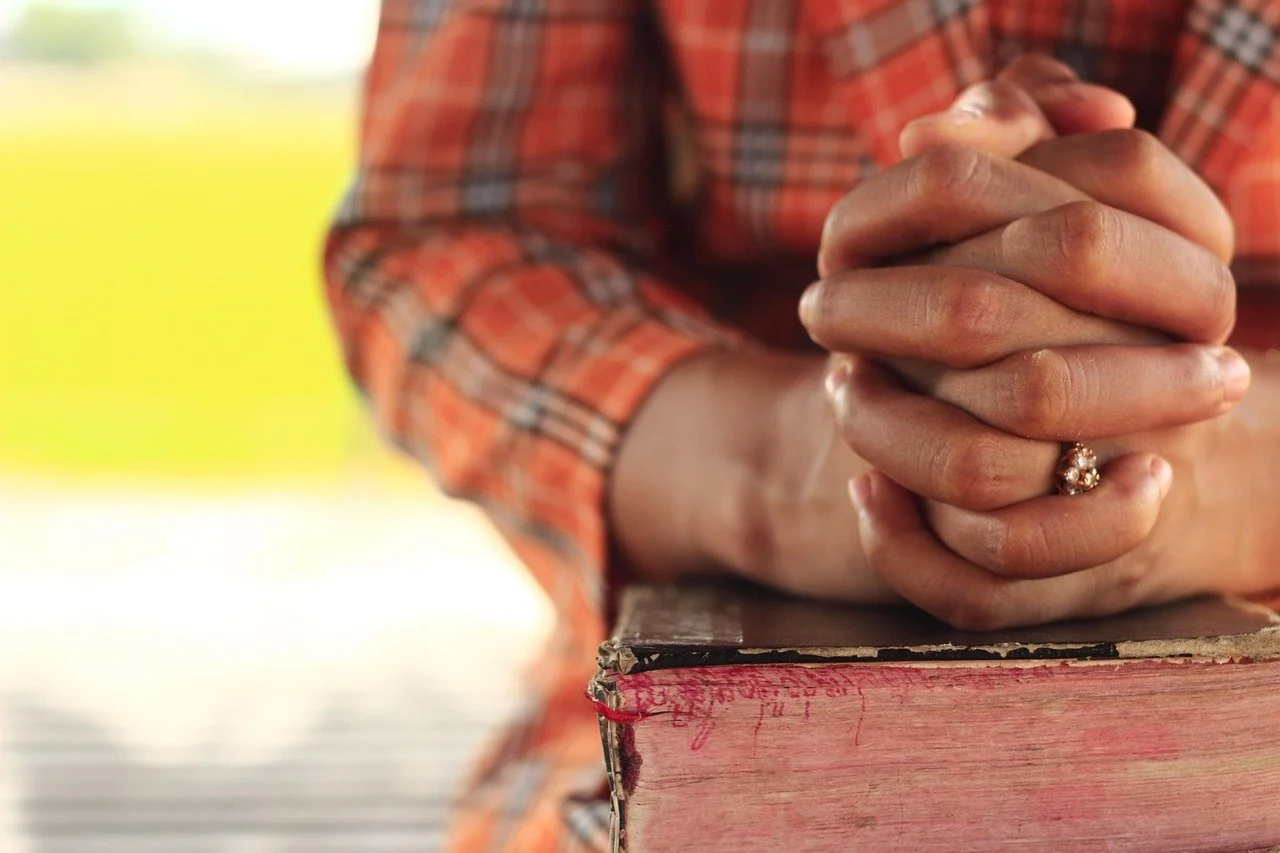
Growing up, I never understood why people would fall to their knees with their hands raised to the sky in the presence of the Lord. My mother would often stand like that—hands lifted, eyes closed—while I sat in silence, silently judging those around me.
I couldn’t understand how they could be so unapologetically vulnerable, letting themselves become invisible, revealing their flaws and brokenness for everyone to see. I believed that if I ever let myself be bare and defenseless before this so-called “King of Kings,” people would recoil. They’d scoff at the scars and hopelessness I had carried with shame ever since I was a little girl.
My mother tried her hardest to get me to attend church with her—especially during the peak of my depression in eighth and ninth grade. When I did go, reluctantly, I refused to wear dresses. It was a weak attempt to hide the scratches and scars that coated my thighs, to prevent everyone from pitying my mom or looking at me as if I were some project to fix.
Even in the warmest welcomes from churchgoers who greeted us like old friends, I felt more awkward than accepted. Being there reminded me of a time when I wanted to go to church—just to avoid whatever mood my father was in that day. Would he be glued to the Sunday football game, or would he force me to spend the entire day doing whatever he pleased?
I refused to wear dresses then, too. I was exhausted from making up excuses for the bruises. A girl can only have so many “accidents” or “rough soccer games” before things seem suspect.
I had heard all the same stories and testimonies again and again—just in different fonts. I couldn’t understand why people believed in God’s miracles. He could turn water into wine, raise the dead—but He couldn’t make my father stop throwing me around like a rag doll. He couldn’t stop him from using me however he wanted.
Deep down, a part of me believed God was real. But I also believed He ignored my cries because I wasn’t worth saving—or because the demons in my father were just too strong for Him. But I was so wrong.
Everything changed when I went to Bible camp with my cousin. I only looked forward to the swings and the fun—not the sermons or the worship. I dreaded them, actually.
When the music started, I sat in silence, scanning the crowd of teens singing and dancing like they were at a concert. I rolled my eyes, thinking: They don’t know real pain. They haven’t lived what I have. But I was encouraged to join in, and eventually, I did.
I jumped and sang, pretending I was at a Van Halen concert, not surrounded by God-fearing teenagers. Then the music slowed down. Something in me shifted. I began actually listening to the lyrics. They were like a beautiful string of self-affirmations, as if the words had been written specifically for me. My judgments began to fade. Everyone else disappeared. It was just me and the Lord.
I thought about all the times I saw people worshiping so vulnerably, and how I thought they were just showing off their vocals or determined to out-sing the person beside them. But now, I was the most transparent of all.
Tears streamed down my face as the same words that once meant nothing to me wrapped around my brokenness, like an embrace I didn’t know I needed. Eventually, I fell to my knees—just like the people I used to judge. I was crying, hugging people I didn’t even know, but who somehow felt like they knew me.
From that day on, life didn’t magically get easier. I still faced countless struggles. But now I faced them with my head turned toward the Lord, no longer doubting. I knew He had allowed these battles because He was preparing me for something miraculous.